Magh Mela for First-Timers , Imagine standing at the edge of humanity’s largest temporary gathering, watching millions of devotees moving like rivers toward the sacred confluence. The air vibrates with chants, bells, and prayers. The aroma of incense mixes with street food. Colorful tents stretch endlessly across the horizon. This is Magh Mela Prayagraj—magnificent, overwhelming, and utterly unforgiving to the unprepared.
Magh Mela for First-Timers , Every year, thousands of first-time visitors arrive at Prayagraj with stars in their eyes and spiritual aspirations in their hearts. And every year, a significant number leave with stories of regret: “I wish I had known about…” or “Nobody told me that…” Don’t let that be you. This brutally honest guide reveals everything seasoned pilgrims wish they’d known before their first Magh Mela. Consider this your reality check and survival manual rolled into one.
What Exactly Is Magh Mela?
The Sacred Significance
Magh Mela is an annual Hindu pilgrimage held during the month of Magh (January-February) at the Triveni Sangam in Prayagraj—the confluence of the Ganges, Yamuna, and the mystical Saraswati rivers. Bathing at this sacred junction during Magh is believed to cleanse sins and liberate souls from the cycle of rebirth. The festival spans an entire month, with specific auspicious days like Makar Sankranti, Mauni Amavasya, and Basant Panchami drawing exponentially larger crowds.
How It Differs from Kumbh Mela
Here’s something many first-timers don’t realize: Magh Mela happens every year, while Kumbh Mela occurs every twelve years at the same location. The annual Magh Mela is essentially a “mini Kumbh,” attracting 5-10 million devotees compared to Kumbh’s 50-100 million. This makes Magh Mela actually more manageable for first-timers, though “manageable” is relative when you’re still talking millions of people!
The Biggest Mistake: Arriving Without Accommodation Plans
Why Last-Minute Bookings Don’t Work
Picture this: you arrive in Prayagraj on Mauni Amavasya eve, expecting to find a hotel room easily. Reality hits hard—every hotel, guesthouse, and dharamshala within 20 kilometers is packed. Prices have tripled. Your “spiritual journey” suddenly involves sleeping in your car or on a railway platform.
This is the single biggest regret expressed by first-time visitors. Unlike regular tourist destinations, Magh Mela accommodations operate on a completely different scale. Advance booking isn’t just recommended—it’s absolutely essential, especially for major bathing days.
Understanding the Accommodation Options
Government Camps vs. Private Tents
The Mela administration offers tent accommodations within the Mela grounds, ranging from basic (shared tents with minimal facilities) to premium (private tents with attached bathrooms and heaters). These book up months in advance. Private operators also set up luxury camps with better amenities but at significantly higher prices—think ₹5,000 to ₹25,000 per night during peak periods.
City hotels are an alternative but add substantial commuting time and effort. The closer you stay to the Mela grounds, the easier your experience becomes. Book at least 2-3 months ahead, or 4-6 months ahead for major bathing days.
What You’ll Regret About Timing
Choosing the Wrong Bathing Days
Not all days at Magh Mela are created equal. Arriving on Mauni Amavasya—the most auspicious bathing day—as a first-timer is like jumping into the deep end without learning to swim. The crowds are absolutely overwhelming, with 5-6 million people converging on the Sangam in a single day.
Underestimating Peak Day Crowds
First-timers often romanticize the “authentic experience” of peak days. The reality? You might spend 6-8 hours in slow-moving queues just to reach the bathing area. Bathroom access becomes nearly impossible. Finding your group if separated is like searching for a needle in a haystack. Children and elderly members suffer tremendously.
The Best Days for First-Timers
Smart first-timers choose the weekdays between major bathing dates. You still get the full Magh Mela experience—the akharas, the spiritual atmosphere, the holy dip—but with manageable crowds. Alternatively, arrive a day after a major snan when the crowds have thinned but facilities are still fully operational.
Money Matters: Cash Is Still King
ATM Shortages During Peak Days
Here’s a scenario that plays out repeatedly: You arrive with minimal cash, thinking ATMs are everywhere. They are. But on peak days, they’re either empty, non-functional, or surrounded by queues of 50+ people. Digital payments, while improving, still don’t work at most small vendors, especially for donations, chai stalls, or local transport.
How Much Cash Should You Carry?
Budget at least ₹5,000-10,000 cash per person for a 2-3 day visit, more if staying longer. Break it into smaller denominations (₹10, ₹20, ₹50, ₹100 notes). Larger notes are difficult to break, and vendors often claim they have no change. Keep cash in multiple secure locations—front pocket, inner pocket, money belt—never all in one place.
The Clothing Catastrophe
What NOT to Wear
This is where fashion meets function, and fashion loses badly. Tight jeans? Nightmare for squatting at Indian-style toilets. White clothes? They’ll be brown within hours from the dust. Expensive jewelry? You’re inviting trouble. Fancy shoes? Destroyed by mud and water within an hour.
The Perfect First-Timer’s Outfit
Think comfortable, modest, and practical. For men: loose cotton pants or dhoti, comfortable kurta, sturdy rubber slippers or old sports shoes. For women: simple cotton salwar-kameez or saree (if you’re comfortable wearing one in crowds), dupatta pinned securely, and comfortable footwear. Layers are crucial—mornings are freezing, afternoons can be warm.
Special Considerations for Women
Ladies, you’ll regret not bringing safety pins for your dupatta. Crowds get tight, and keeping yourself appropriately covered while moving through masses requires strategic pinning. A crossbody bag that stays secure is essential. Avoid any outfit that requires constant adjustment or has loose, flowing elements that can get caught or stepped on.
The Food and Water Reality Check
Street Food: Tempting but Risky
The aroma of fresh jalebis, kachoris, and samosas is intoxicating. The consequences of eating from questionable vendors can be devastating. Stomach upsets are the most common complaint from first-timers. You don’t want to spend your spiritual journey hunting for clean toilets while battling food poisoning.
Staying Hydrated in the Chaos
Water stations are available throughout the Mela, but lines get long. Carry your own refillable bottle and fill it whenever you see short queues. Dehydration combined with walking and crowds leads to exhaustion, headaches, and fainting—common sights at medical camps.
Dietary Restrictions and Options
Vegetarian food dominates, which is fine for most. But vegans, those with allergies, or people with specific dietary needs should pack their own snacks. Packaged, sealed items are your safest bet: biscuits, namkeen, energy bars, and fruits like bananas that you can peel.
Sanitation Surprises
Toilet Facilities: The Harsh Truth
Let’s address the elephant in the room: toilets at Magh Mela are not what you’re used to. Even the “clean” ones are basic Indian-style toilets with water facilities. On peak days, cleanliness deteriorates rapidly despite continuous efforts by staff. Long queues are standard. Toilet paper? Bring your own—it’s rarely available.
First-timers often express shock at these conditions. Adjust your expectations, practice using Indian-style toilets beforehand if you’re not familiar, and always carry tissue paper, wet wipes, and hand sanitizer. Plan bathroom visits strategically—early morning or late evening when queues are shorter.
Bathing Arrangements Beyond the Sangam
If you’re staying in basic tents, communal bathing areas are the norm. Privacy is minimal. Hot water may or may not be available. Many seasoned pilgrims take their Sangam dip and then head back to better facilities for a proper cleanup. First-timers expecting hotel-style bathrooms in tent accommodations are in for a rude awakening.
Phone and Communication Challenges
Network Congestion Issues
With millions of people simultaneously trying to make calls, post selfies, and check social media, network congestion is inevitable. On peak days, even making a simple phone call becomes frustratingly difficult. Internet speeds drop to 2G levels. Your carefully planned “live updates” to family might just not happen.
Keeping Your Phone Charged
Charging points are limited and always crowded. Bring a fully charged power bank—better yet, bring two. Reduce battery drain by keeping your phone on airplane mode when not needed, lowering screen brightness, and closing background apps. A phone case that protects against dust and moisture is wise.
Emergency Contact Information
Write down important phone numbers on paper—yes, actual paper. Mela administration helplines, your accommodation address, local police station, and emergency contacts. If your phone dies or gets lost, this old-school backup becomes invaluable.
Safety Concerns Nobody Talks About
Crowd Stampede Risks
This isn’t meant to scare you, but it’s critical information: crowd stampedes, while rare, have occurred at major gatherings. Always stay aware of your surroundings. If a crowd starts surging, move diagonally toward the edges, never against the flow. Keep children on your shoulders or hand-in-hand at all times. If someone falls, help them up immediately.
Pickpockets and Valuables
Where there are crowds, there are opportunistic thieves. Wearing minimal jewelry, keeping valuables secure in inner pockets, and staying vigilant prevents most problems. Never keep your wallet in your back pocket. Women should keep purses in front. Don’t display expensive phones or cameras unnecessarily.
Getting Lost in the Mela
The Mela grounds are vast and confusing. Landmarks shift as tents go up and come down. First-timers frequently get disoriented. Take photos of distinctive landmarks near your accommodation. Note sector numbers. Use offline maps downloaded in advance. Agree on a meeting point with your group if separated. Don’t wander off alone, especially at night.
Cultural Etiquette You Must Know
Photography Restrictions
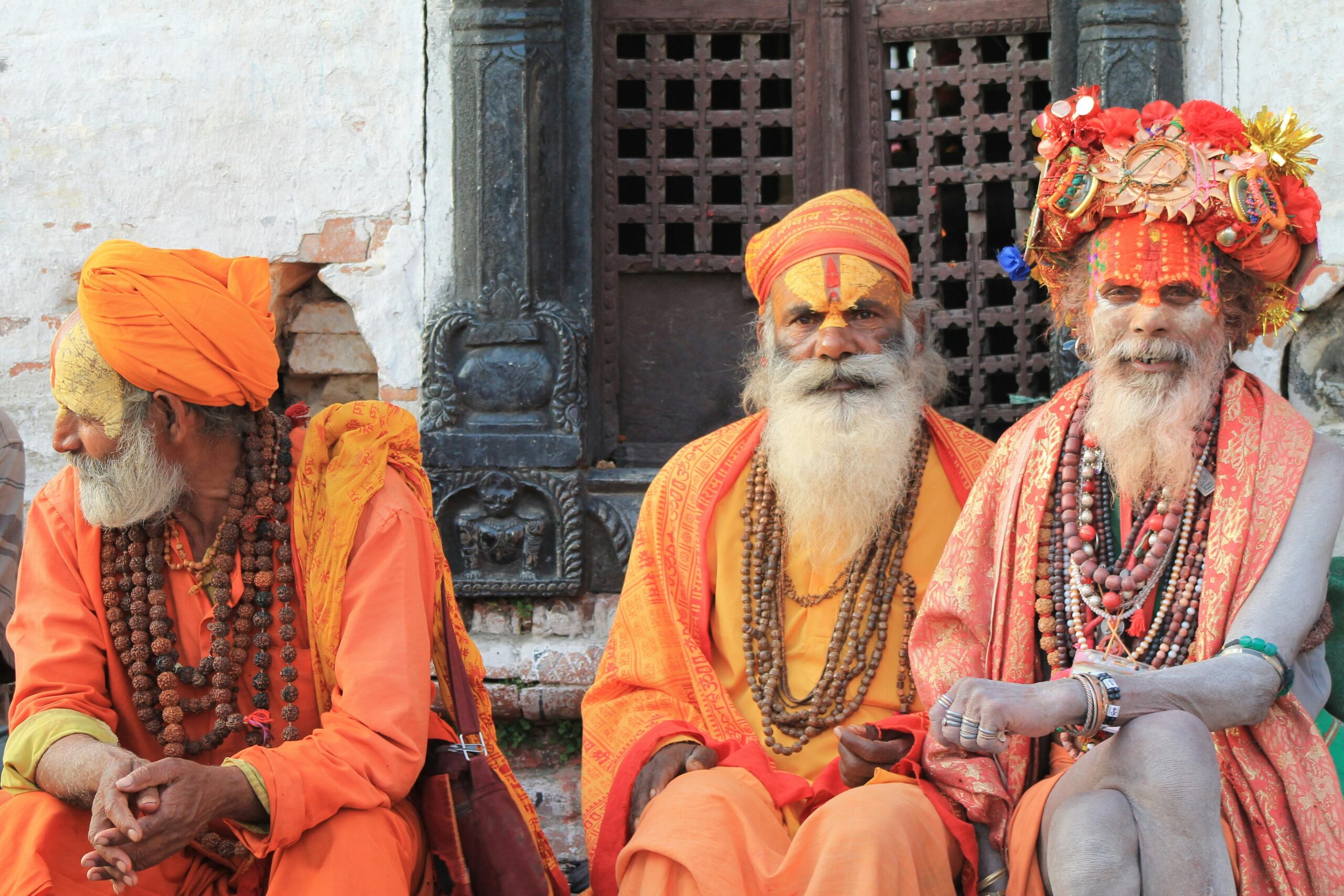
Not everyone appreciates being photographed, especially the sadhus and ascetics. Always ask permission before photographing individuals. Some akharas prohibit photography entirely inside their premises. Ignoring these boundaries leads to unpleasant confrontations and shows cultural insensitivity.
Respecting Sadhus and Saints
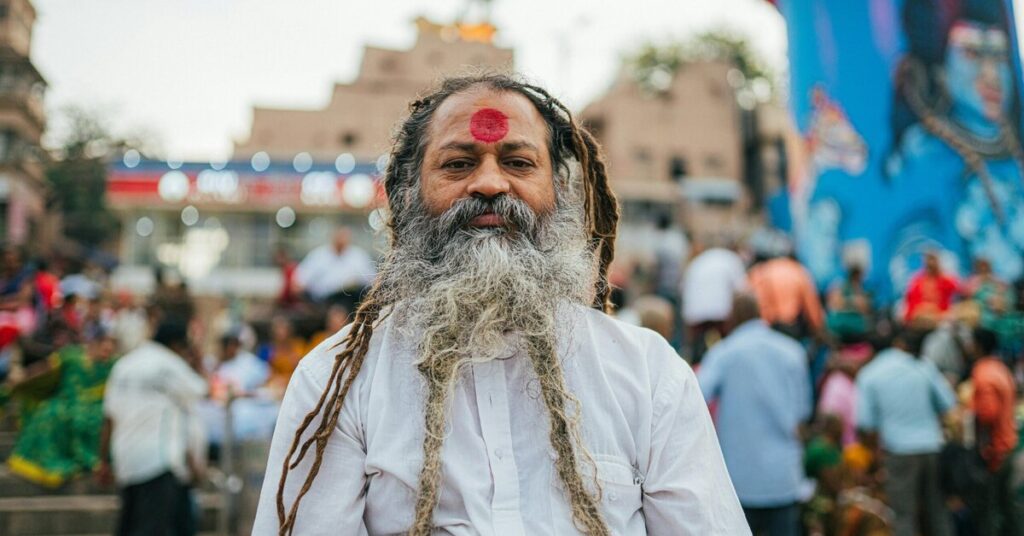
If a sadhu or saint gives you blessings or prasad, a small donation (dakshina) is customary—₹10-50 is appropriate. However, be aware that some are aggressive in demanding money. Respectfully decline if uncomfortable. Never touch their feet without permission, and always remove your shoes before entering sacred spaces.
Temple and Akhara Protocols
Different akharas have different rules. Some require head covering, others prohibit leather items. Women may be restricted in certain areas during specific rituals. First-timers who barge in without observing protocols face rightful criticism. When in doubt, observe others or politely ask volunteers.
Health Precautions That Can Save Your Trip
Essential Medicines to Pack
Don’t rely on finding medicines at the Mela. Pack a basic medical kit: anti-diarrheal medication, pain relievers, antiseptic cream, band-aids, cold and fever medicine, any prescription medications, and ORS packets for rehydration. The most common health issues are stomach problems, fever, and exhaustion—all manageable if you have the right medicines.
Dealing with Cold Weather
January nights in North India can be brutally cold, especially near the river. First-timers from warmer regions often underestimate this. Layered clothing, a warm shawl or jacket, and even a woolen cap for early morning bathing make a massive difference. Hypothermia after bathing in cold water is a real risk.
Common Illnesses at Mela
Respiratory infections spread quickly in crowded conditions. Digestive issues from unfamiliar food or contaminated water are rampant. Skin infections can occur from the river water or unsanitary facilities. Basic hygiene—hand washing, avoiding touching your face, and careful food choices—prevents most problems.
Transportation Nightmares to Avoid
Parking Realities
Driving your own vehicle sounds convenient until you realize parking can be 5-7 kilometers away from the Mela entrance on peak days. Traffic snarls turn a 30-minute drive into a 3-hour ordeal. Many first-timers abandon their cars in frustration and take local transport, wishing they’d done that from the start.
Local Transport Options
Buses, shared tempos, auto-rickshaws, and cycle rickshaws ply between the city and Mela gates. They’re crowded and chaotic but functionally efficient. Book your accommodation close to a transportation hub. E-rickshaws operate within certain Mela zones. Understanding the local transport system beforehand saves enormous hassle.
Booking Return Tickets in Advance
Train and bus tickets out of Prayagraj get booked solid during Magh Mela, especially after major bathing days. First-timers who casually think they’ll “book on the day of travel” end up stranded or paying exorbitant prices for tatkal tickets or private taxis. Book your return journey simultaneously with your arrival—non-negotiable advice.
What to Actually Bring (and What to Leave Behind)
The Essential Checklist
Here’s what experienced pilgrims never forget: multiple sets of comfortable clothes, toiletries including toilet paper and hand sanitizer, medicines, photocopies of ID proofs, cash in small denominations, phone and power bank, water bottle, small towel, flashlight or headlamp, basic snacks, and a small backpack to carry everything.
Things That Will Weigh You Down
Leave behind: expensive jewelry, unnecessary electronics, large suitcases (small backpack or duffel bag only), excessive clothes (you’ll wear the same simple outfit repeatedly), laptop, books (you won’t have time or appropriate space to read), and any preconceptions about luxury or comfort.
Hidden Gems and Experiences Not to Miss
Beyond the Holy Dip
While the Sangam bath is central, limiting your experience to just that means missing the Mela’s soul. The vast gathering of saints, yogis, and spiritual leaders is unprecedented. Conversations with these individuals can be profoundly transformative.
Evening Aarti Ceremonies
The evening Ganga aarti at the riverbank is mesmerizing—thousands of oil lamps floating on the water, collective chanting, and an atmosphere charged with devotion. First-timers often skip this, focusing only on the morning bathing ritual, and later regret missing this spectacular sight.
Spiritual Discourses Worth Attending
Many renowned spiritual leaders conduct discourses and pravachans throughout the Mela. These range from philosophical discussions to practical life guidance. Check schedules at information centers. Even if you don’t understand Hindi, the atmosphere and devotional music are worth experiencing.
Conclusion
Magh Mela is not a vacation—it’s a pilgrimage that demands preparation, patience, and the right mindset. The insights shared here come from collective wisdom: the mistakes of thousands who went before you, the regrets shared in quiet moments, and the hard-won lessons that separate struggling first-timers from those who genuinely thrive at the Mela.
Will it be challenging? Absolutely. Will you face discomforts you’ve never experienced? Probably. But will it also be one of the most profound, memorable experiences of your life? Without question—if you go prepared.
The beauty of Magh Mela isn’t in the luxury of accommodations or the convenience of facilities. It’s in the radical simplicity, the shared humanity of millions seeking something greater than themselves, and the stripping away of pretense that happens when you’re just another soul at the Sangam.
So go ahead, plan your first Magh Mela visit. But go armed with this knowledge, go with realistic expectations, and go with your heart open to an experience that will challenge and transform you in equal measure. The Mela doesn’t forgive ignorance, but it richly rewards those who come prepared.
FAQs
1. Is Magh Mela safe for solo female travelers?
Yes, thousands of women attend alone or in women-only groups. The Mela administration provides women-only accommodations, separate bathing areas, and dedicated help desks. However, standard safety precautions apply: dress modestly, stay in well-populated areas, avoid wandering alone at night, and keep emergency contacts handy. The overwhelming atmosphere is devotional and respectful, though staying alert in dense crowds is wise.
2. Can I attend Magh Mela if I’m not Hindu or Indian?
Absolutely! Magh Mela welcomes everyone regardless of nationality or religion. Many international visitors attend out of spiritual curiosity or cultural interest. You’ll be treated with warmth and curiosity. However, respecting local customs, dressing modestly, and approaching sacred spaces with reverence is expected regardless of your background.
3. How many days should a first-timer plan to stay?
A minimum of 2-3 days allows you to experience the Mela without rushing—one day to acclimatize and explore, one day for the holy bath and akhara visits, and one day for spiritual discourses or relaxed exploration. Longer stays of 4-7 days allow deeper immersion but aren’t necessary for first-timers who want just a taste of the experience.
4. What’s the minimum age for children to attend comfortably?
While there’s no official age restriction, children under 5 face significant challenges due to crowds, walking distances, and basic facilities. Ages 8-10 and above handle the experience better, especially if they’re physically active and adaptable. Teenagers generally manage well. Consider your specific child’s temperament, health, and ability to handle discomfort before deciding.
5. Do I need to take a bath in the Sangam to attend Magh Mela meaningfully?
Not at all. While the holy dip is central for many, simply being present at the Mela, experiencing the spiritual atmosphere, attending discourses, and witnessing this incredible gathering is meaningful in itself. Many elderly visitors, those with health concerns, or those uncomfortable with the bathing conditions still have profound experiences. Your spiritual journey is personal and valid however you choose to experience it.